Overview
The S&P 500 gained 2.72% in August. The Nasdaq Composite rose 3.99%, while the Russell 2000 (small cap index) inched up .98%.
The gains resulted from the exceptionally positive second quarter corporate earnings that show a rate of growth of 22% year-on-year for the S&P 500 components.
Internationally, the market reaction to these developments was equally positive. The EPAC BM Index (International developed economies) rose 2.62% while the MSCI EM (emerging markets) gained 3.21%.
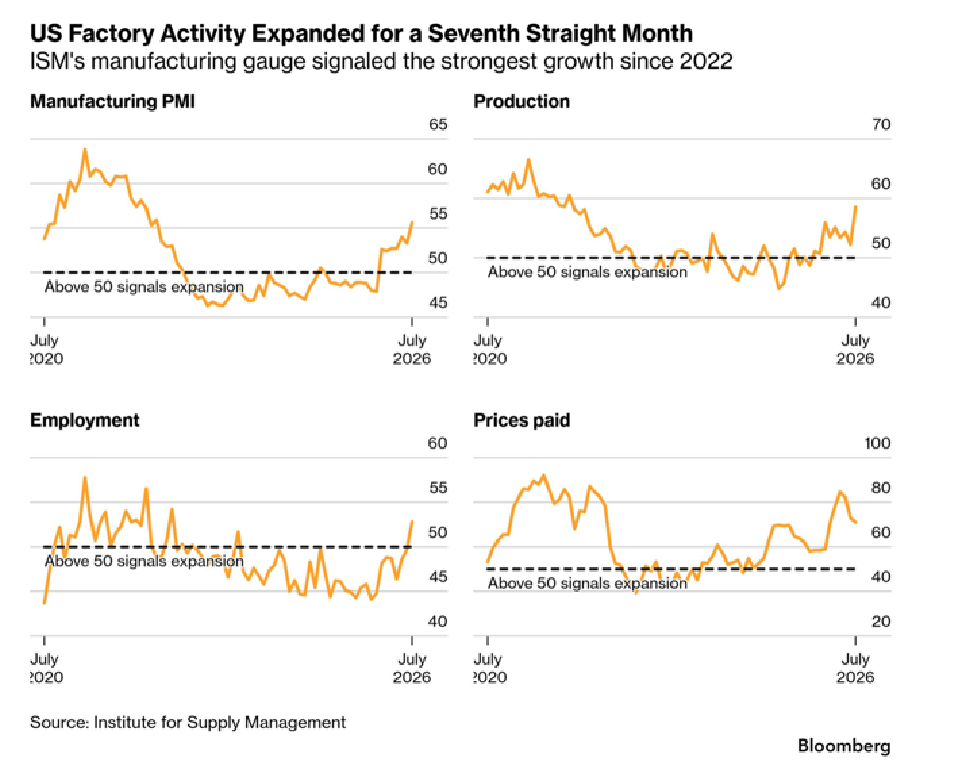
The chart below illustrates today’s relatively benign environment in the US economy and explains in part the market reversal from negative to positive in August:
In August, US fixed income markets rose. The US bond aggregate gained .39%. Investment grade corporate bonds rose .43%, while high yield corporates returned .97% and the long bond .83%.
Our median portfolio gained 1.70% in August. Over the same period, a portfolio consisting of 50% ACWI (All Country World Index) and 50% AGG (US Bond Aggregate) appreciated 1.56%. Overall, our median portfolio is up 6.80% YTD (Year-To-Date) vs. 7.06% for our benchmark.
Market developments
The past month was quite eventful. While the performance of the equity markets was strong, the economic and monetary policy implications resulting from the latest inflation numbers and from the bond market behavior point to more volatility ahead.
Specifically, the CPI numbers remain stubbornly higher than what the FED wants to see. As illustrated below:
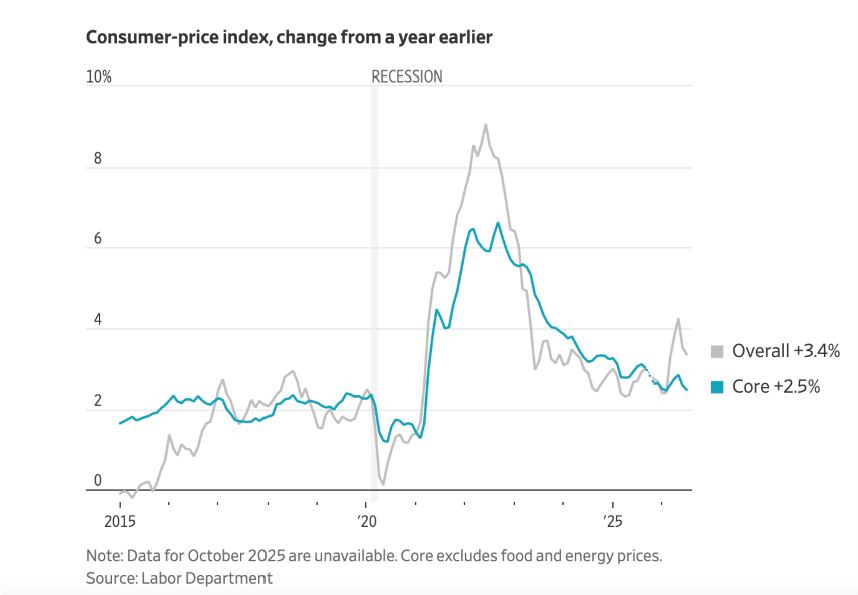
This is causing investors to go from lowering expectations of a FED interest rate hike in September to increasing them. Those odds dropped to 35% in the middle of August to finish at close to 70% by the end of it.
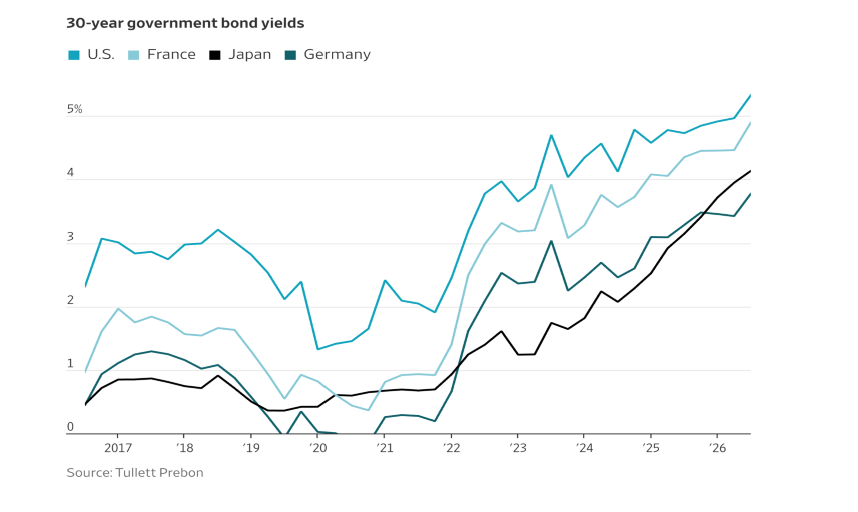
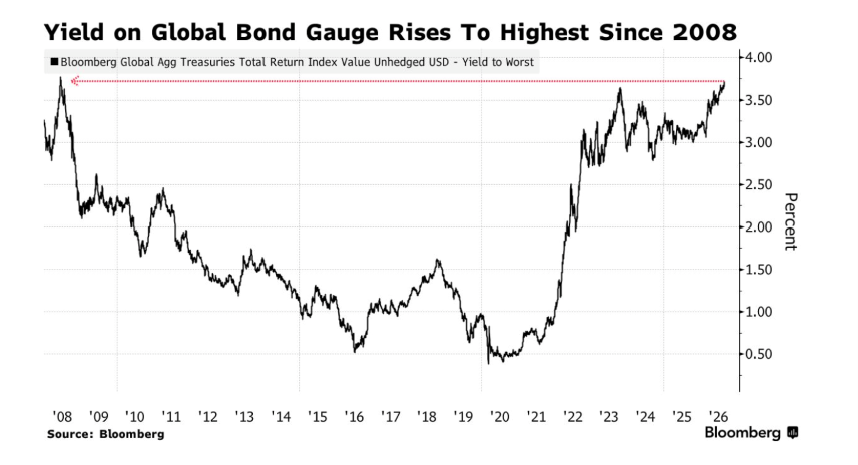
Adding to the certainty is the finally sinking realization that the debt load of the US government is becoming unmanageable and causing long term bond yields to go up, as illustrated below:
Portfolio Commentary
The continuing inflationary pressures in the US economy, accentuated by the war with Iran, together with the inability of Congress to meaningfully tackle the fiscal imbalances (read “budget deficits”), have finally caused yields to rise significantly.
As a result, the debt load of the US government is becoming problematic. In fact, at the current level of interest rates, the servicing of this debt has become a larger budget item than our total defense spending.
With no end in sight and no political will to increase taxes and reduce expenses (doing one or the other, rather than both at the same time, has been patently ineffectual), bond yields are likely to remain elevated or even increase, as illustrated below:
With this as a backdrop, I sold more of our AGG investments with an average duration of five-to-six-year in favor of shorter-term US treasuries (less than one year). This move will make our portfolios less sensitive to a rising rate environment.
Finally, after noticing the recent negative correlation between the performance of the health sector and rising bond yields, I decided to further reduce our AGG investments in favor of VHT, the health care ETF (orange line in the below graph).
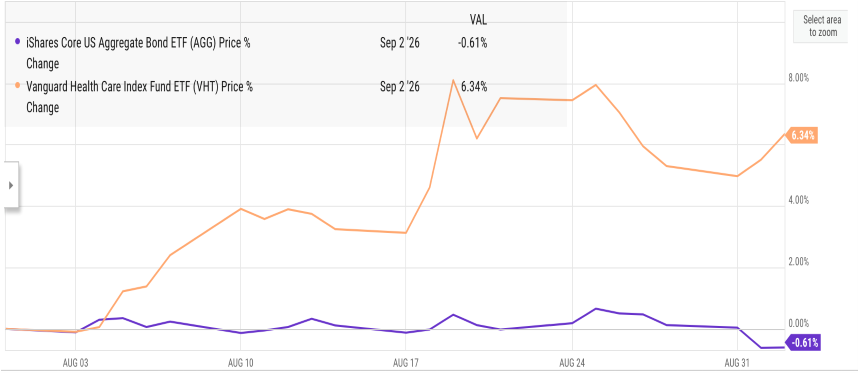
So far, this has paid off.
Conclusion
On August 28, the FED Chair, Kevin Warsh, surprised his audience and market participants with his speech on monetary policy at the annual Jackson Hole symposium.
For the first time since his nomination, the Chairman unequivocally indicated that the FED had a problem with inflation and intended to tackle it. The resulting market reaction was to increase the likelihood of an increase in the FED funds rate at the next FED meeting, on September 15 and 16.
The economic numbers released between now and then will determine whether this comes to pass or if the move takes place after the November elections. With no end in sight in the war with Iran and a generally well-performing US economy, price pressures are unlikely to abate soon. In that context, the question is no longer whether the FED will hike interest rates but rather when.
Thank you for your continued trust.
Jeff de Valdivia, CFA, CFP
Fleurus Investment Advisory, LLC
www.fleurus-ia.com
(203) 919-4980